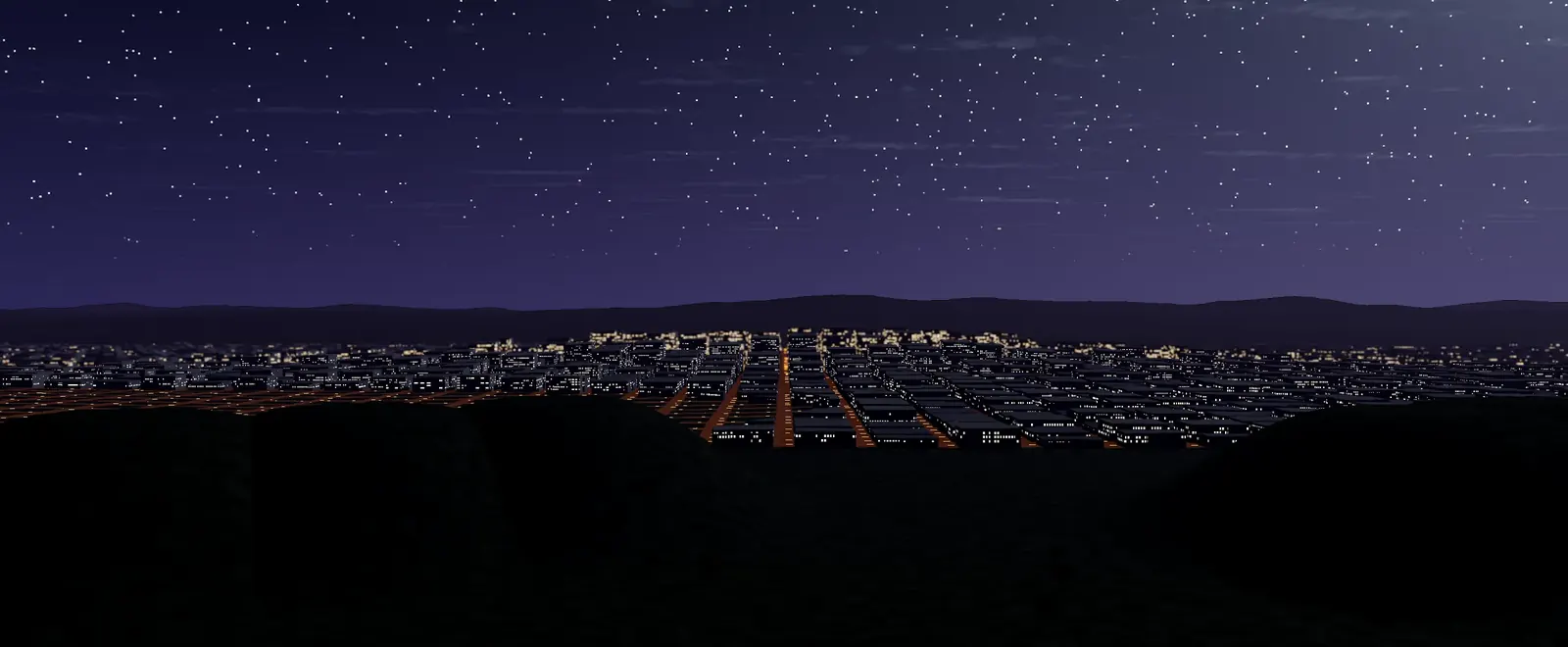

Hortobagy National Park, in eastern Hungary, was the first national park established in the country, and it protects part of the Great Hungarian Plain, known as the puszta. This is a flat landscape of grassland, wetlands and fish ponds that has been shaped for centuries by grazing, and the traditional pastoral culture of shepherds and horse herders is part of what the park aims to preserve. Herds of Hungarian grey cattle, racka sheep and Hortobagy horses graze there. The wetlands are an important stopover for migrating birds, especially cranes in autumn, which gather in the tens of thousands. The park was inscribed on the UNESCO World Heritage List as a cultural landscape in 1999.
Before and after
- 1973Construction of Van Gogh Museum
- from 1973 to 2018Oromo conflict
- 1973Publication of The Gulag Archipelago
- 1973Founding of Islamic Development Bank
- 1973Establishment of Hortobágy National Park
- 1973Establishment of Kilimanjaro National Park
- 1973The Endangered Species Act and CITES
- 1973Cohen and Boyer create the first recombinant DNA organism
- 1973The Vindolanda writing tablets are found
More in Earth & climate
- 1 January 1954Establishment of Niokolo-Koba National Park
- 22 May 1974Establishment of Northeast Greenland National Park
- 1976Establishment of Sagarmatha National Park
- 5 April 1979Establishment of Kakadu National Park
- 20242024 becomes the warmest year on record
- 26 August 20262026 Nepal–Tibet floods
The era
This moment belongs to the Contemporary world (1945 CE to today), the world since 1945. You can also browse everything in the 20th century.