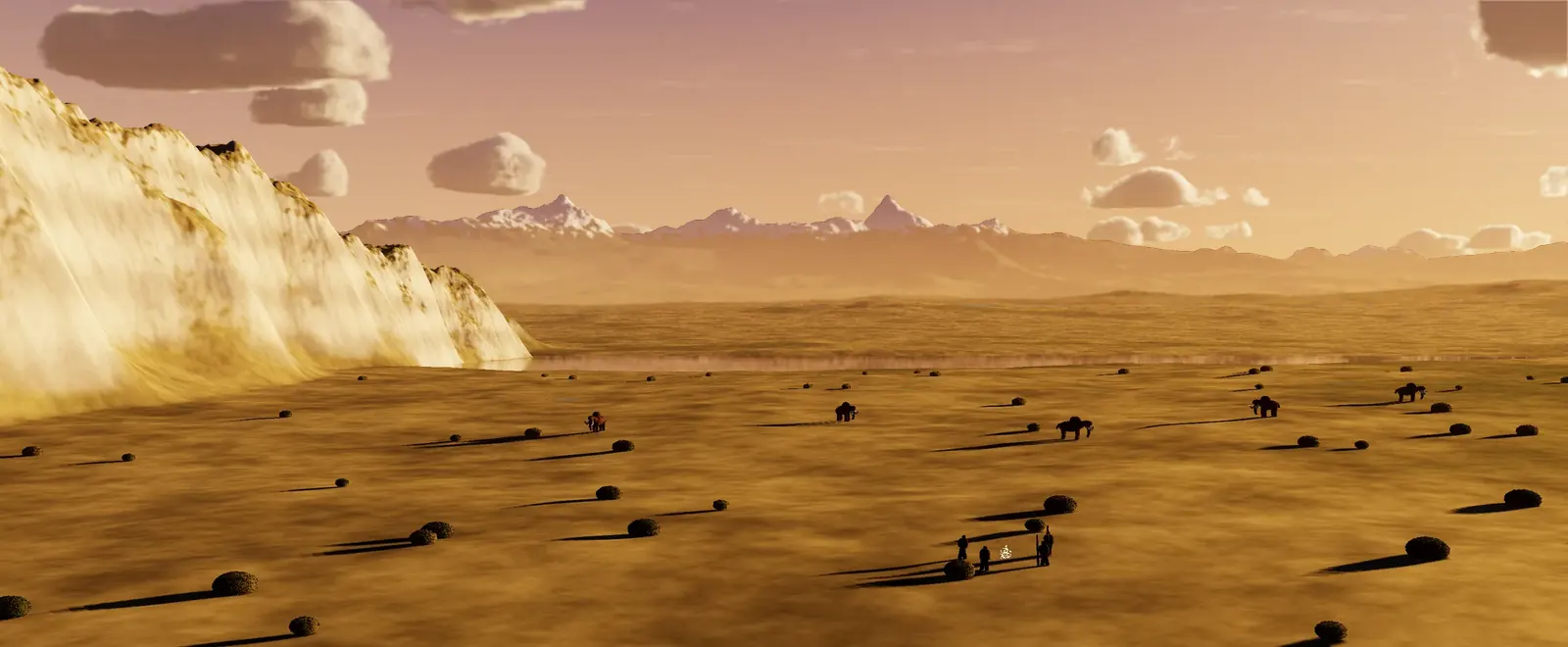

Tel Megiddo is an archaeological mound in northern Israel, overlooking the Jezreel Valley, where more than twenty layers of settlement have been uncovered, from prehistory to the Persian period. Its position beside the road between Egypt and Mesopotamia made it a major strategic city, and it was the scene of many battles, including the one in which Pharaoh Thutmose III defeated a Canaanite coalition. In the Iron Age, it was a fortified city with palaces, stables and a water system cut into the rock, which some scholars have linked to the time of Solomon, though the dating is debated. The name Har Megiddo is the origin of Armageddon in the Book of Revelation. Megiddo was designated a UNESCO World Heritage Site in 2005.
Before and after
- from 8th millennium BCE to 4th millennium BCEOrigins of Khirokitia
- 8th millennium BCEDiscovery of copper
- 71st century BCEMaize is domesticated in Mexico
- 71st century BCERice is domesticated in the Yangtze valley
- from c. 7,000 BCE to 586 BCEConstruction of Tel Megiddo
- from c. 7,000 BCE to 2,600 BCEOrigins of Mehrgarh
- c. 6,600 BCEEruption of Karymsky
- from 66th century BCE to 31st century BCEPredynastic Period of Egypt
- c. 6,440 BCEEruption of Kurile Lake
More in Civilizations & archaeology
- 86th century BCESheep, goats and cattle are domesticated
- from c. 7,090s BCE to 4,950s BCEOrigins of Jarmo
- from 7th millennium BCE to 2nd millennium BCEUgarit
- from 56th century BCE to 35th century BCEUbaid period
- c. 4,000 BCEOrigins of Thinis
- from c. 4,000 BCE to 3,100 BCEUruk period
The era
This moment belongs to the Human prehistory (300,000 years ago to 3,200 BCE), the human story before writing.