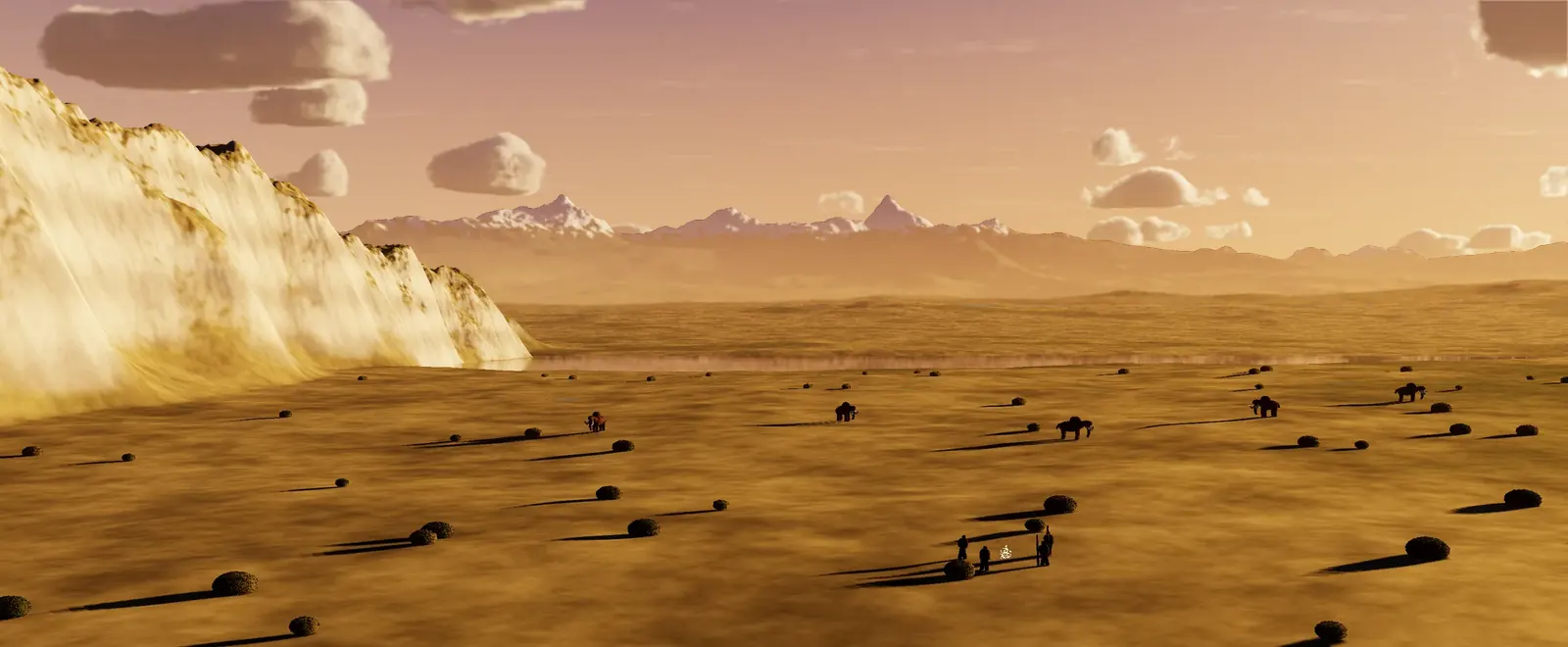

Between about 9000 and 7500 BC, farmers in the hills of the Fertile Crescent, from the Zagros mountains of Iran to south-eastern Turkey, began to keep goats and sheep, which were bred from wild bezoar ibex and mouflon, followed by cattle bred from the aurochs, a wild ox; a separate domestication of zebu cattle took place in the Indus region. The animals gave meat, milk, wool, leather and later labour for ploughs. Along with wheat and barley, they formed the 'Neolithic package' that spread with farmers into Europe and Africa. The last wild aurochs died in Poland in 1627.
Before and after
- from 10th millennium BCE to 3rd millennium BCENeolithic revolution
- from 10th millennium BCE to 3rd millennium BCENeolithic
- from 10th millennium BCE to 6th millennium BCEMesolithic
- c. 8,750 BCEEruption of Ulleungdo
- 86th century BCESheep, goats and cattle are domesticated
- c. 8,400 BCEEruption of Michinmahuida
- c. 8,230 BCEEruption of Grimsvotn
- c. 8,050 BCEEruption of Aira
- from 76th century BCE to 25th century BCEChalcolithic
More in Civilizations & archaeology
- c. 9,501 BCEBuilders raise the first monumental temple at Gobekli Tepe
- from 5th millennium BCE to 1st millennium BCEAncient Egypt
- from c. 4,000 BCE to 3,100 BCEUruk period
- 34th century BCEWriting is invented in Mesopotamia
- from c. 3,300 BCE to 1982Origins of Qatna
- from 4th millennium BCE to 1st millenniumAncient history
The era
This moment belongs to the Human prehistory (300,000 years ago to 3,200 BCE), the human story before writing.