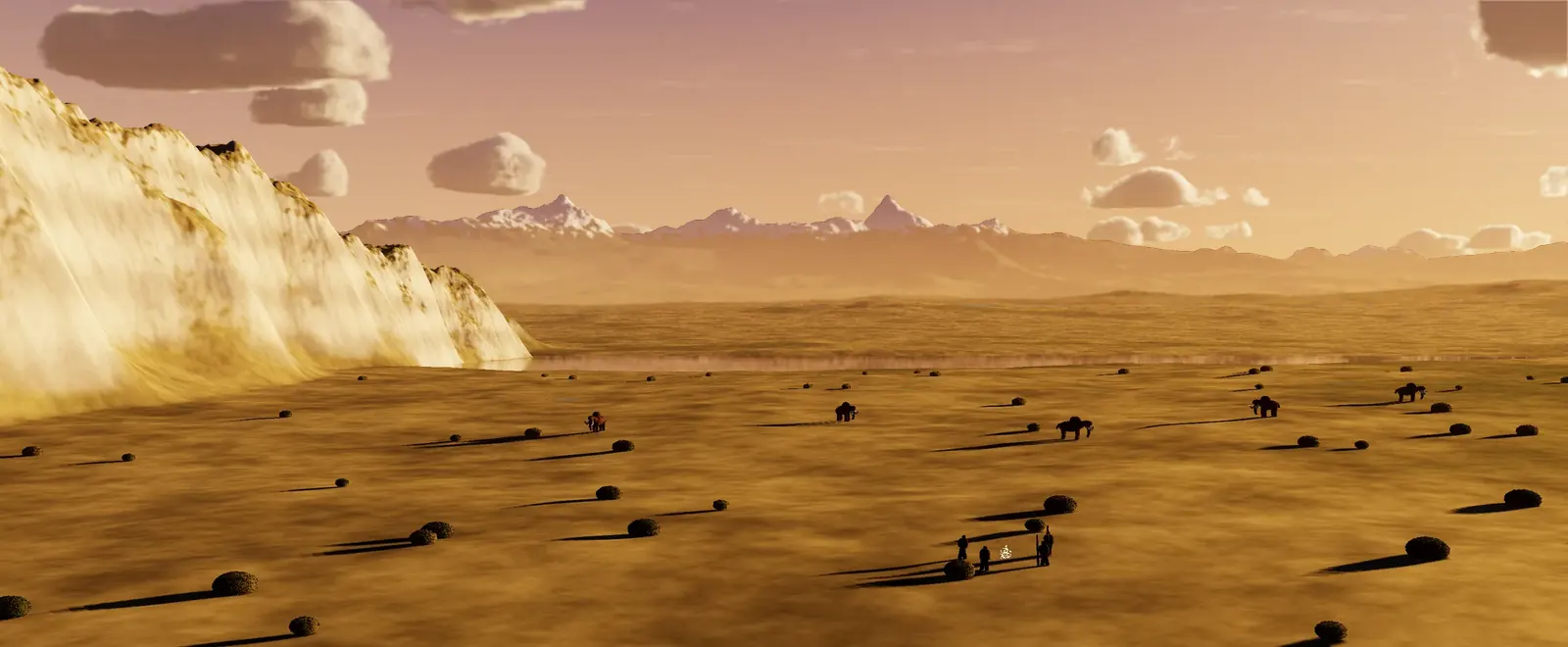

Mehrgarh is a Neolithic archaeological site on the Kachi plain of Balochistan in Pakistan, at the foot of the Bolan Pass, and one of the earliest known farming and herding settlements in South Asia. It was occupied from about 7000 BCE and was excavated from 1974 by a French team led by Jean-François Jarrige. The inhabitants grew wheat and barley, kept cattle, sheep and goats, and lived in mudbrick houses, and later made pottery and worked with copper. The discovery of drilled teeth showing early dentistry at the site is well known. Mehrgarh is seen as a precursor of the Indus Valley Civilization, and its occupation lasted into the time when the early cities of the Indus developed.
Before and after
- 8th millennium BCEDiscovery of copper
- 71st century BCEMaize is domesticated in Mexico
- 71st century BCERice is domesticated in the Yangtze valley
- from c. 7,000 BCE to 586 BCEConstruction of Tel Megiddo
- from c. 7,000 BCE to 2,600 BCEOrigins of Mehrgarh
- c. 6,600 BCEEruption of Karymsky
- from 66th century BCE to 31st century BCEPredynastic Period of Egypt
- c. 6,440 BCEEruption of Kurile Lake
- c. 6,300 BCEEruption of Aniakchak
More in Civilizations & archaeology
- c. 9,501 BCEBuilders raise the first monumental temple at Gobekli Tepe
- from c. 7,090s BCE to 4,950s BCEOrigins of Jarmo
- from 7th millennium BCE to 2nd millennium BCEUgarit
- from c. 4,000 BCE to 3,100 BCEUruk period
- 34th century BCEWriting is invented in Mesopotamia
- from c. 3,300 BCE to 1982Origins of Qatna
The era
This moment belongs to the Human prehistory (300,000 years ago to 3,200 BCE), the human story before writing.