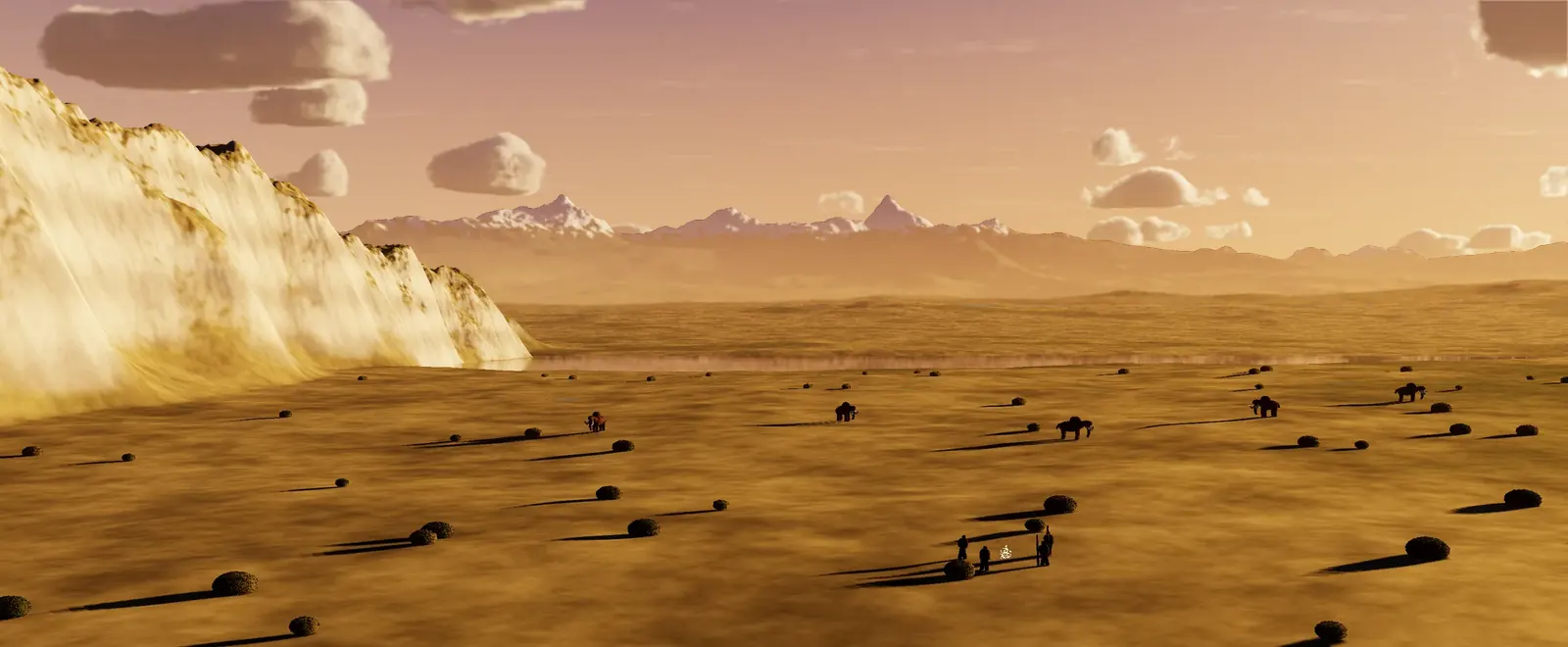

In the lower Yangtze valley of China, people gathered and then cultivated wild rice from about 9,000 years ago, at sites such as Shangshan and later Kuahuqiao and Hemudu, where waterlogged remains survive. Over a few thousand years, selection produced domestic plants whose grains did not shatter and fall when ripe. Rice paddies spread across East, South and South-East Asia and became the basis for dense populations and for states. Rice is now the staple food of more than half of humanity.
Before and after
- 8th millennium BCEOrigins of Athens
- from 8th millennium BCE to 4th millennium BCEOrigins of Khirokitia
- 8th millennium BCEDiscovery of copper
- 71st century BCEMaize is domesticated in Mexico
- 71st century BCERice is domesticated in the Yangtze valley
- from c. 7,000 BCE to 586 BCEConstruction of Tel Megiddo
- from c. 7,000 BCE to 2,600 BCEOrigins of Mehrgarh
- c. 6,600 BCEEruption of Karymsky
- from 66th century BCE to 31st century BCEPredynastic Period of Egypt
More in Civilizations & archaeology
- from c. 7,500 BCE to 5,700 BCEConstruction of Çatalhöyük
- from c. 7,101 BCE to 5,701 BCECatalhoyuk grows into a large Neolithic town
- 5th millennium BCEOrigins of Jerusalem
- from c. 3,600 BCE to 2,500 BCEOrigins of Megalithic Temples of Malta
- c. 3,501 BCEPeople first tame horses on the steppe
- from c. 3,500 BCE to 2,500 BCEOrigins of Brú na Bóinne
The era
This moment belongs to the Human prehistory (300,000 years ago to 3,200 BCE), the human story before writing.