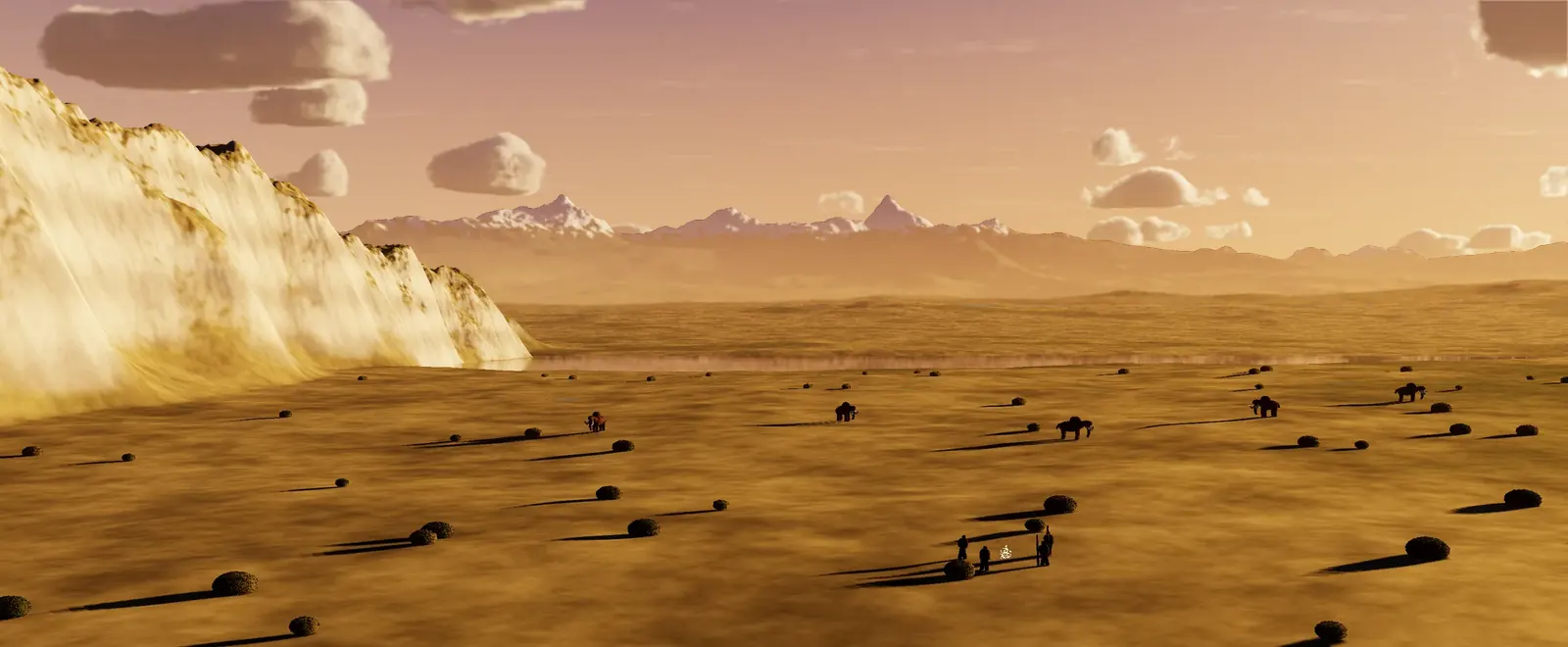

Around 9,000 years ago, farmers in the Balsas River valley of southern Mexico began to breed a wild grass, teosinte, with tiny hard kernels, into maize with large soft ears. Genetic and archaeological evidence points to this single origin. Over thousands of years, maize spread across the Americas and became the staple of the Maya, Aztec and Inca civilisations, and after 1492 it travelled to Europe, Africa and Asia. Today maize is one of the world's three major cereals, with an annual harvest of over a billion tonnes.
Before and after
- from c. 7,090s BCE to 4,950s BCEOrigins of Jarmo
- 8th millennium BCEOrigins of Athens
- from 8th millennium BCE to 4th millennium BCEOrigins of Khirokitia
- 8th millennium BCEDiscovery of copper
- 71st century BCEMaize is domesticated in Mexico
- 71st century BCERice is domesticated in the Yangtze valley
- from c. 7,000 BCE to 586 BCEConstruction of Tel Megiddo
- from c. 7,000 BCE to 2,600 BCEOrigins of Mehrgarh
- c. 6,600 BCEEruption of Karymsky
More in Civilizations & archaeology
- from about 12,000 years ago to 7th millennium BCEConstruction of Göbekli Tepe
- from 10th millennium BCE to 3rd millennium BCENeolithic revolution
- from 76th century BCE to 25th century BCEChalcolithic
- from 5th millennium BCE to 1st millennium BCEAncient Egypt
- from c. 3,300 BCE to 1,100 BCEMinoan civilization
- from 4th millennium BCE to 1st millenniumAncient history
The era
This moment belongs to the Human prehistory (300,000 years ago to 3,200 BCE), the human story before writing.