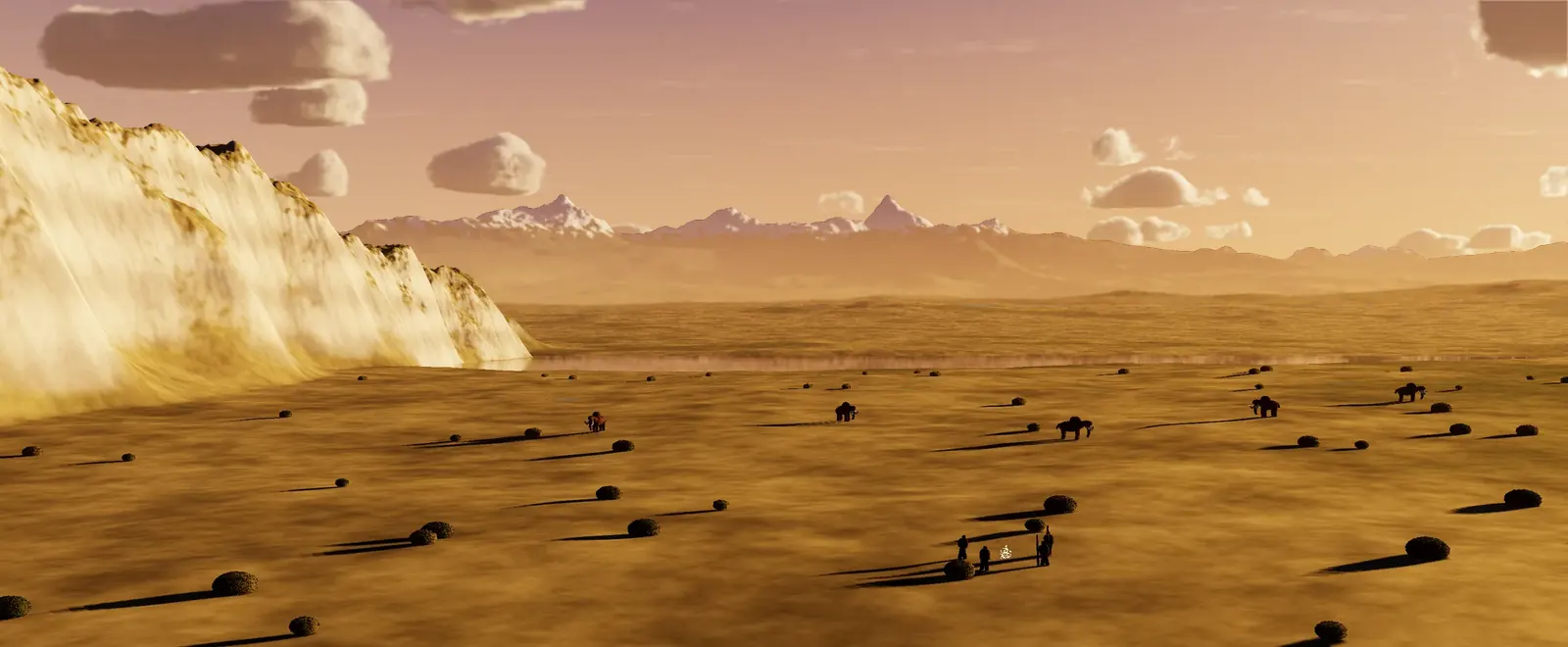

The Neolithic Revolution was the transition from a way of life based on hunting and gathering to one based on farming and permanent settlements. The term was coined by the archaeologist V. Gordon Childe in the 1930s. The earliest evidence comes from the Fertile Crescent of the Near East around 10,000 BCE, where people began cultivating wheat and barley and domesticating sheep and goats, and agriculture arose independently in other regions, including China, Mesoamerica, the Andes and New Guinea. Villages and early towns such as Jericho and Catalhoyuk emerged, populations grew, and storing food surpluses led to specialised crafts and social hierarchies. Archaeologists now regard it as a gradual process over thousands of years rather than a sudden revolution.
Before and after
- c. 9,750s BCEQuaternary extinction event
- 10th millennium BCEThe Holocene begins
- c. 9,501 BCEBuilders raise the first monumental temple at Gobekli Tepe
- from c. 9,050s BCE to 8,850s BCEClovis culture
- from 10th millennium BCE to 3rd millennium BCENeolithic revolution
- from 10th millennium BCE to 3rd millennium BCENeolithic
- from 10th millennium BCE to 6th millennium BCEMesolithic
- c. 8,750 BCEEruption of Ulleungdo
- 86th century BCESheep, goats and cattle are domesticated
More in Civilizations & archaeology
- from 8th millennium BCE to 4th millennium BCEOrigins of Khirokitia
- from c. 7,000 BCE to 586 BCEConstruction of Tel Megiddo
- from c. 7,000 BCE to 2,600 BCEOrigins of Mehrgarh
- from c. 3,600 BCE to 2,500 BCEOrigins of Megalithic Temples of Malta
- c. 3,501 BCEPeople first tame horses on the steppe
- from c. 3,500 BCE to 2,500 BCEOrigins of Brú na Bóinne
The era
This moment belongs to the Human prehistory (300,000 years ago to 3,200 BCE), the human story before writing.