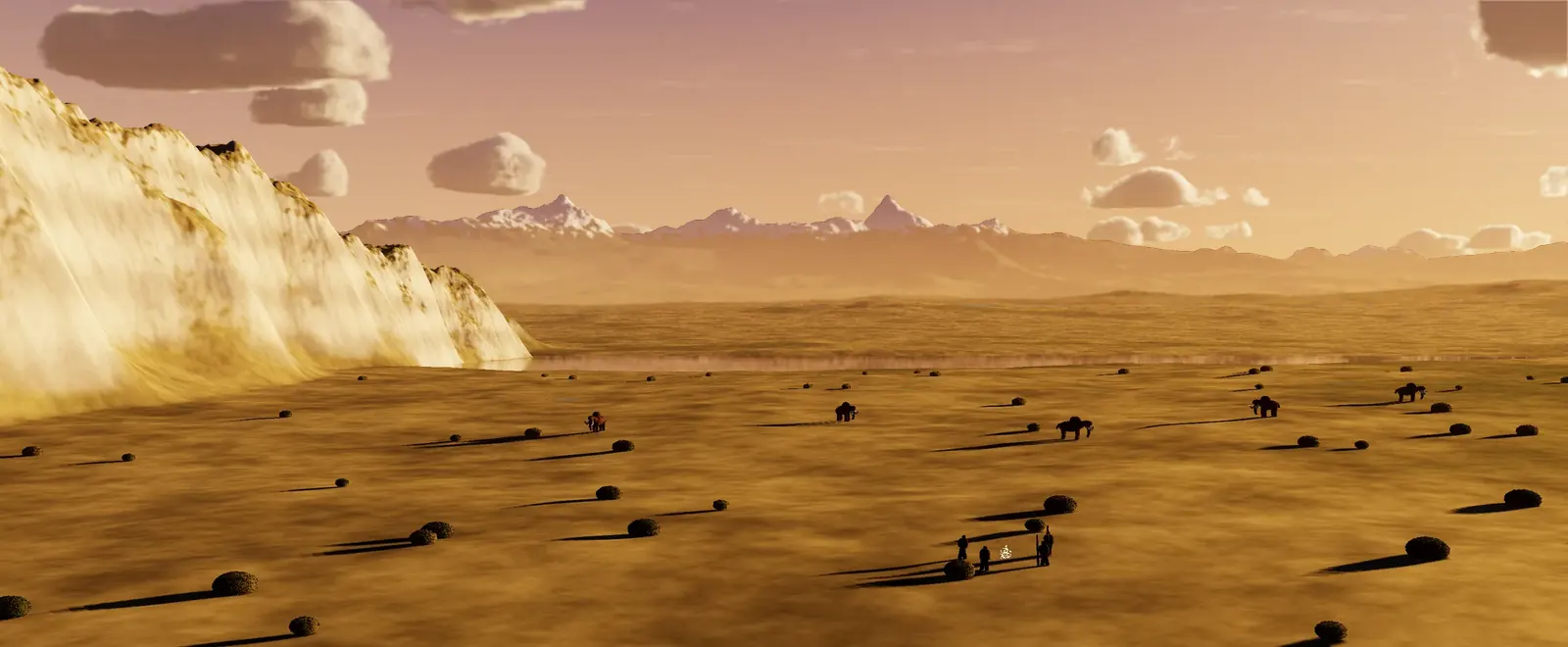

The Holocene, the geological epoch in which all of recorded human history has taken place, began about 11,700 years ago, when the abrupt warming at the end of the Younger Dryas ushered in a stable, warm climate. The date was formally fixed by the International Commission on Stratigraphy, based on a sudden change recorded in the Greenland ice core. Sea levels rose by some 60 metres as the ice sheets melted, flooding coastal plains such as Doggerland in the North Sea. Within a few thousand years, people in several parts of the world took up farming.
Before and after
- about 12,400 years agoEruption of Moekeshiwan [Lvinaya Past]
- about 12,000 years agoHolocene extinction
- from about 12,000 years ago to 7th millennium BCEConstruction of Göbekli Tepe
- c. 9,750s BCEQuaternary extinction event
- 10th millennium BCEThe Holocene begins
- c. 9,501 BCEBuilders raise the first monumental temple at Gobekli Tepe
- from c. 9,050s BCE to 8,850s BCEClovis culture
- from 10th millennium BCE to 3rd millennium BCENeolithic revolution
- from 10th millennium BCE to 3rd millennium BCENeolithic
More in Earth & climate
- from about 115,000 years ago to 10th millennium BCELast Glacial Period
- about 21,000 years agoLast Glacial Maximum
- from about 13,000 years ago to 9,750s BCEYounger Dryas
- c. 6,440 BCEEruption of Kurile Lake
- c. 5,680 BCEEruption of Crater Lake
- c. 4,050 BCEEruption of Masaya
The era
This moment belongs to the Human prehistory (300,000 years ago to 3,200 BCE), the human story before writing.