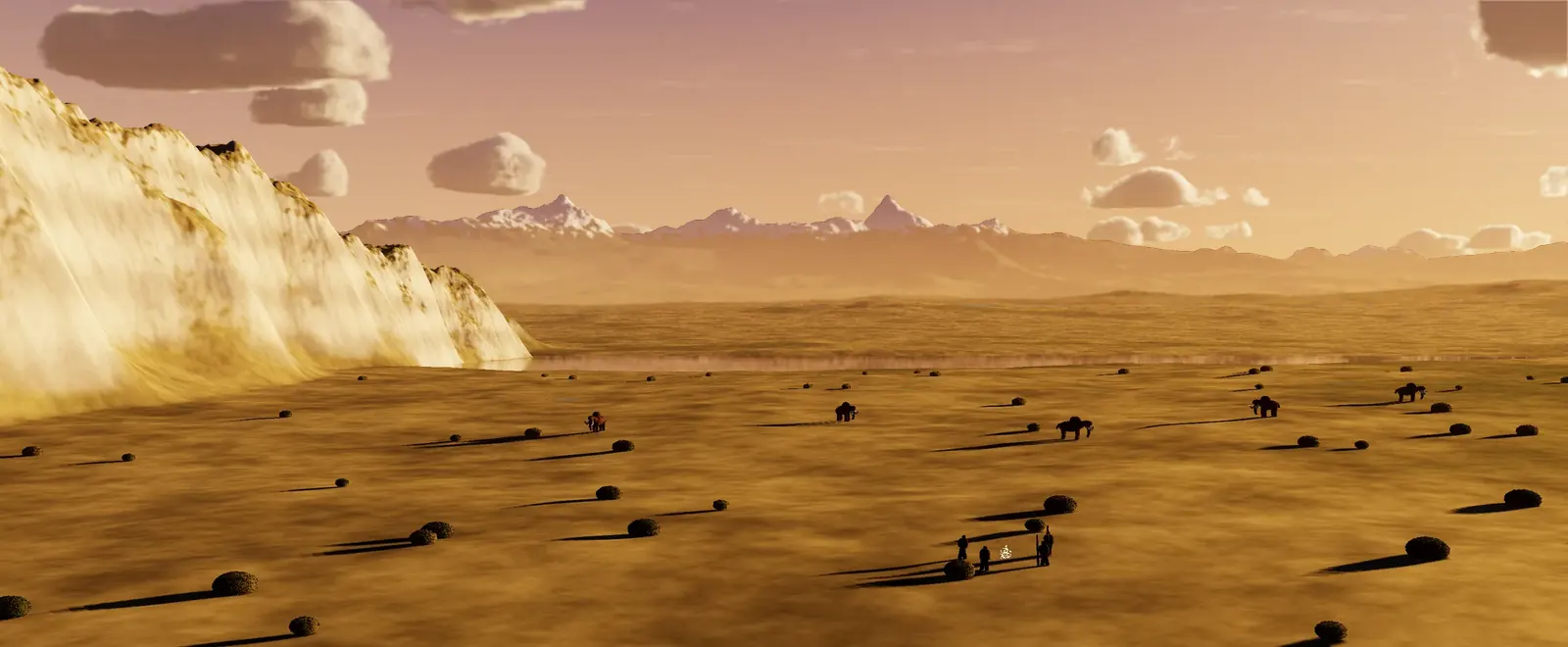

Bru na Boinne is a Neolithic landscape in the Boyne Valley in County Meath, Ireland, containing one of the most important concentrations of prehistoric monuments in Europe. The best known of its large passage tombs are Newgrange, Knowth and Dowth, built by farming communities more than five thousand years ago. Newgrange is famous for a roof-box above the entrance, which lets the light of the rising sun at the winter solstice shine along its passage and illuminate the inner chamber. Many of the stones are decorated with spirals and other carved patterns, among the finest examples of megalithic art. Later Irish mythology linked the mounds with the gods and heroes of the Tuatha De Danann, and the site was made a UNESCO World Heritage Site in 1993.
Before and after
- c. 3,580 BCEEruption of Taal
- c. 3,550 BCEEruption of Pinatubo
- from 36th century BCE to 18th century BCECaral–Supe civilization
- c. 3,501 BCEPeople first tame horses on the steppe
- from c. 3,500 BCE to 2,500 BCEOrigins of Brú na Bóinne
- from c. 3,500 BCE to 2,500 BCEAfanasevo culture
- 34th century BCEWriting is invented in Mesopotamia
- from c. 3,300 BCE to 600 BCEBronze Age
- from c. 3,300 BCE to 1,100 BCEMinoan civilization
More in Civilizations & archaeology
- c. 9,501 BCEBuilders raise the first monumental temple at Gobekli Tepe
- from 10th millennium BCE to 3rd millennium BCENeolithic
- from 5th millennium BCE to 1st millennium BCEAncient Egypt
- from c. 4,000 BCE to 3,100 BCEUruk period
- from c. 3,300 BCE to 1982Origins of Qatna
- from 4th millennium BCE to 1st millenniumAncient history
The era
This moment belongs to the Human prehistory (300,000 years ago to 3,200 BCE), the human story before writing.