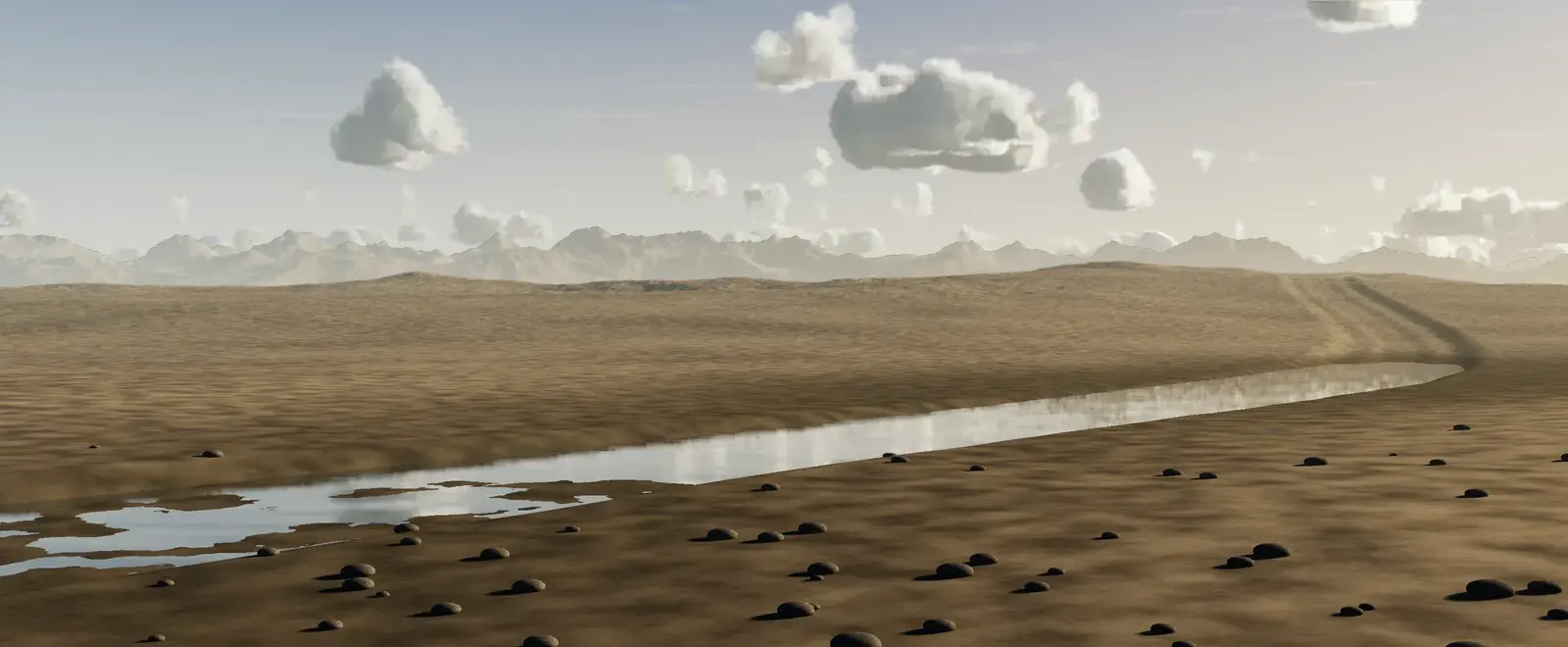

The Late Devonian extinction was a prolonged period of biodiversity loss in the oceans, usually seen as made up of two main pulses, the Kellwasser event near the boundary between the Frasnian and Famennian ages and the later Hangenberg event at the end of the period. It struck marine life hardest, especially in warm shallow seas: the great reef-building communities of corals and sponges collapsed, and many groups of armored fishes, trilobites and brachiopods declined sharply. Proposed causes include falling oxygen levels in the oceans, climate cooling and volcanism, and the spread of forests, which may have altered soils and sent nutrients into the sea. Reefs took many millions of years to recover.
Before and after
- about 543 million years agoCambrian explosion
- about 444 million years agoOrdovician–Silurian extinction event
- from about 380 million years ago to 280 million years agoVariscan orogeny
- about 375 million years agoFish with limbs begin to walk: tetrapods evolve
- about 372 million years agoLate Devonian extinction
- about 252 million years agoPermian-Triassic mass extinction
- about 225 million years agoThe first mammals appear
- about 201 million years agoTriassic-Jurassic mass extinction
- about 150 million years agoArchaeopteryx, the earliest known bird, lives in Jurassic Bavaria
More in Evolution & life
- about 66 million years agoCretaceous-Paleogene mass extinction
- from c. 3,300 BCE to 600 BCEBronze Age
- from 3rd millennium BCE to 2nd millenniumMaya civilization
- from 13th century BCE to 6th centuryAncient Greece
- from 1200 to 1523Aztec
- 24 November 1974Discovery of Lucy
The era
This moment belongs to the Paleozoic (539 million years ago to 252 million years ago), from the first animals to the first forests.