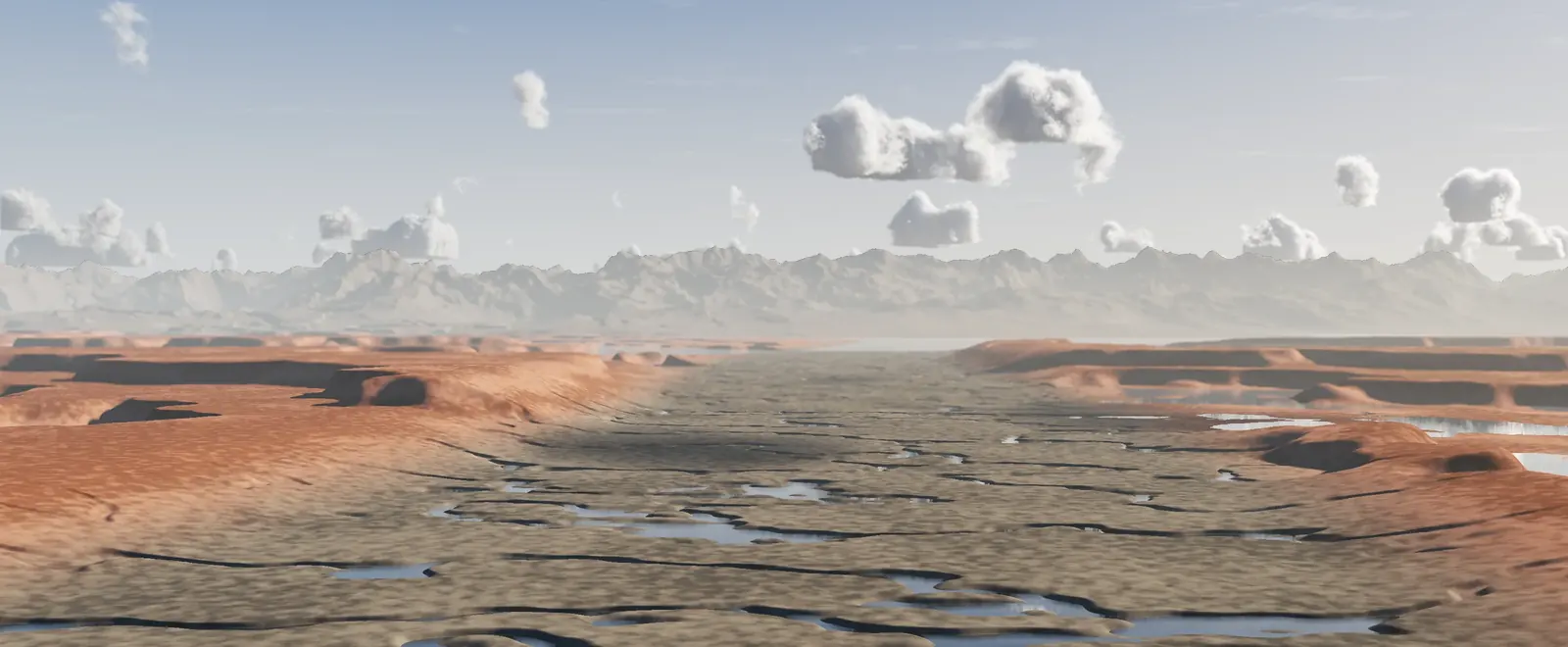

The Huronian glaciation was a long cold episode early in the Paleoproterozoic Era, named after the Lake Huron region of Ontario, where its glacial deposits, such as those of the Gowganda Formation, were first studied. Geologists recognize several separate glacial advances within it, and evidence of ice reaching low latitudes has led some researchers to describe it as a possible Snowball Earth. A widely held explanation links it to the Great Oxidation Event, when oxygen produced by cyanobacteria began to accumulate and destroyed atmospheric methane, a potent greenhouse gas, so that temperatures fell. Its exact causes and how far the ice spread are still debated, and it is the earliest well-supported ice age known in Earth's history.
Before and after
- from about 4.1 billion years ago to 3.8 billion years agoLate Heavy Bombardment
- from about 3.92 billion years ago to 3.85 billion years agoNectarian
- from about 2.4 billion years ago to 2.1 billion years agoHuronian glaciation
- from about 1.8 billion years ago to 800 million years agoBoring Billion
- about 543 million years agoCambrian explosion
- about 444 million years agoOrdovician–Silurian extinction event
- from about 380 million years ago to 280 million years agoVariscan orogeny
- about 375 million years agoFish with limbs begin to walk: tetrapods evolve
- about 372 million years agoLate Devonian extinction
More in Earth & climate
- 79 CEVesuvius buries Pompeii and Herculaneum
- from 1303 to 1850Little Ice Age
- from October 1347 to January 1351The Black Death reaches Europe
- 1938Establishment of Mount Olympus
- 2001Establishment of Phong Nha–Ke Bang National Park
- 11 March 2020The WHO declares COVID-19 a pandemic
The era
This moment belongs to the Proterozoic (2.5 billion years ago to 539 million years ago), oxygen, complex cells and Snowball Earth.