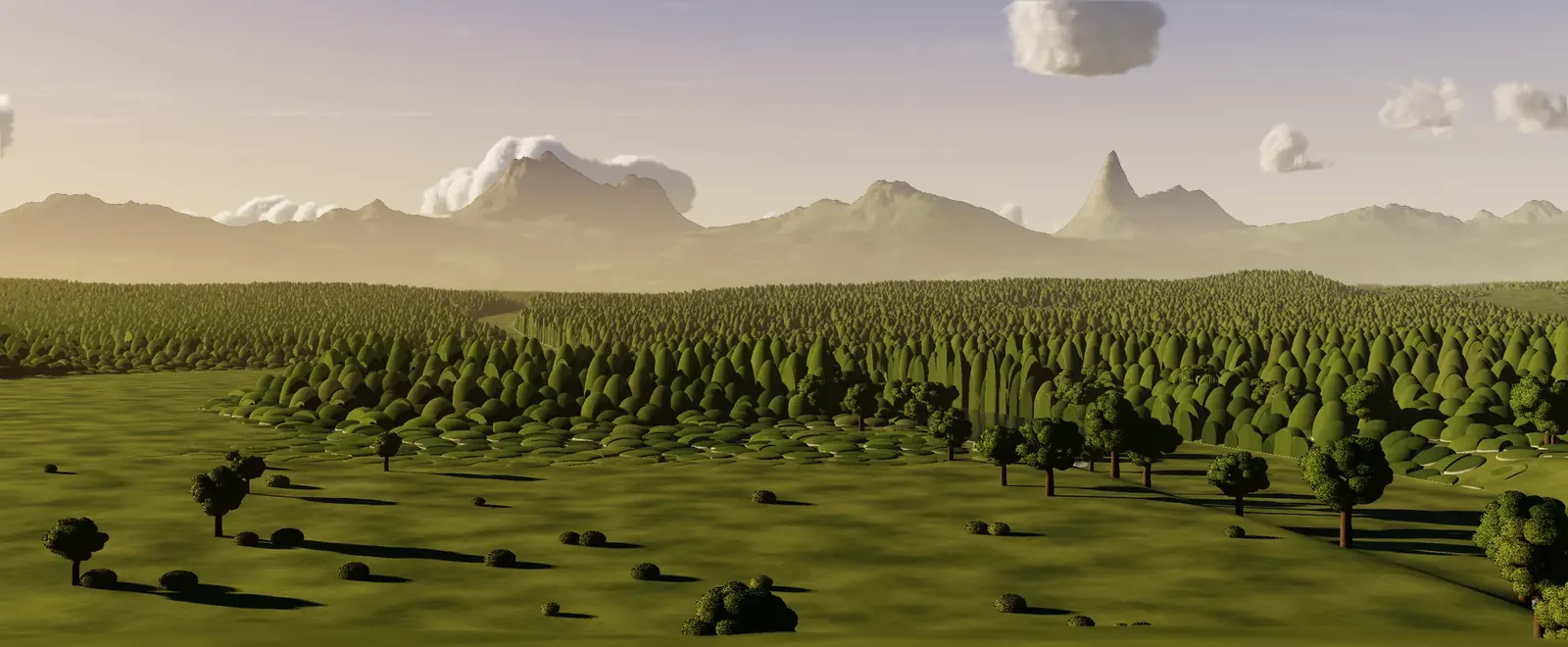

About 34 million years ago, at the boundary of the Eocene and Oligocene, global temperatures fell sharply and permanent ice sheets began to form on Antarctica. Falling carbon dioxide levels and the opening of ocean gateways around Antarctica, which allowed a circumpolar current to isolate the continent, are the main suspects. Sea levels dropped, and many species in the sea and on land died out in a wave of extinctions. This started the long cooling trend that eventually led to the ice ages of the past 2.6 million years.
Before and after
- about 201 million years agoTriassic-Jurassic mass extinction
- about 150 million years agoArchaeopteryx, the earliest known bird, lives in Jurassic Bavaria
- about 66 million years agoCretaceous-Paleogene mass extinction
- about 56 million years agoPaleocene–Eocene Thermal Maximum
- about 34 million years agoAntarctica freezes over
- about 33.9 million years agoEocene–Oligocene extinction event
- about 7 million years agoSahelanthropus, one of the earliest hominins
- from about 3.3 million years ago to 15,000 years agoPaleolithic
- from about 3.3 million years ago to 302,000 years agoLower Paleolithic
More in Earth & climate
- 79 CEVesuvius buries Pompeii and Herculaneum
- from 1303 to 1850Little Ice Age
- from October 1347 to January 1351The Black Death reaches Europe
- 1938Establishment of Mount Olympus
- 2001Establishment of Phong Nha–Ke Bang National Park
- 11 March 2020The WHO declares COVID-19 a pandemic
The era
This moment belongs to the Cenozoic (66 million years ago to 300,000 years ago), the rise of mammals and the ice ages.