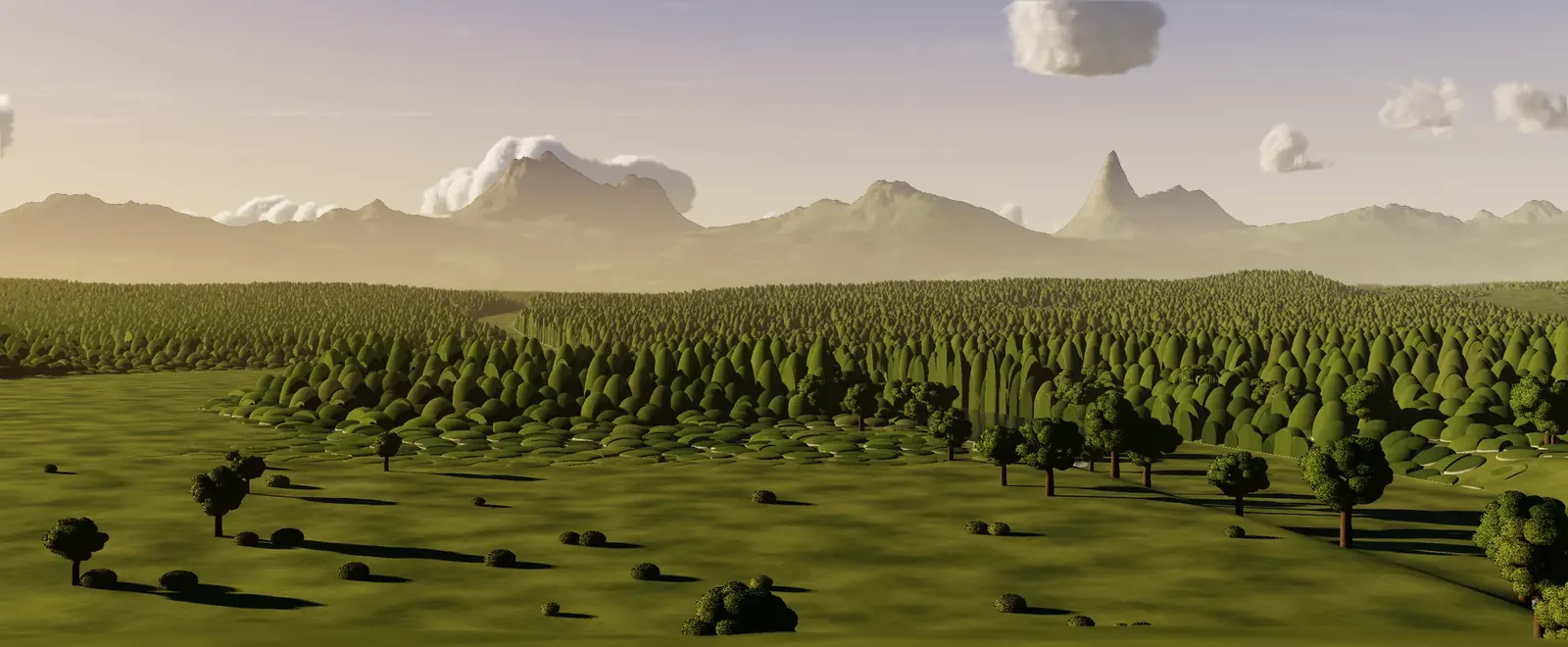

The Eocene-Oligocene extinction event, also called the Grande Coupure in Europe, was a wave of extinctions that took place at the transition between the Eocene and Oligocene epochs. It coincided with a major climatic shift from the warm, greenhouse conditions of the early Cenozoic to a cooler world, as carbon dioxide levels fell and ice sheets began to form in Antarctica, possibly helped by the opening of ocean gateways around the continent. Many marine organisms, including some plankton, mollusks and foraminifera, suffered, and in Europe many native mammals were replaced by new arrivals from Asia. The event was less severe than the great mass extinctions, but it marked a lasting turning point in Earth's climate history.
Before and after
- about 150 million years agoArchaeopteryx, the earliest known bird, lives in Jurassic Bavaria
- about 66 million years agoCretaceous-Paleogene mass extinction
- about 56 million years agoPaleocene–Eocene Thermal Maximum
- about 34 million years agoAntarctica freezes over
- about 33.9 million years agoEocene–Oligocene extinction event
- about 7 million years agoSahelanthropus, one of the earliest hominins
- from about 3.3 million years ago to 15,000 years agoPaleolithic
- from about 3.3 million years ago to 302,000 years agoLower Paleolithic
- about 2.7 million years agoGreat American Interchange
More in Evolution & life
- about 2.6 million years agoOldowan
- from about 1.76 million years ago to 150,000 years agoAcheulean
- from about 315,000 years ago to 33,000 years agoMousterian
- from about 302,000 years ago to 32,000 years agoMiddle Paleolithic
- from c. 3,300 BCE to 600 BCEBronze Age
- from 13th century BCE to 6th centuryAncient Greece
The era
This moment belongs to the Cenozoic (66 million years ago to 300,000 years ago), the rise of mammals and the ice ages.