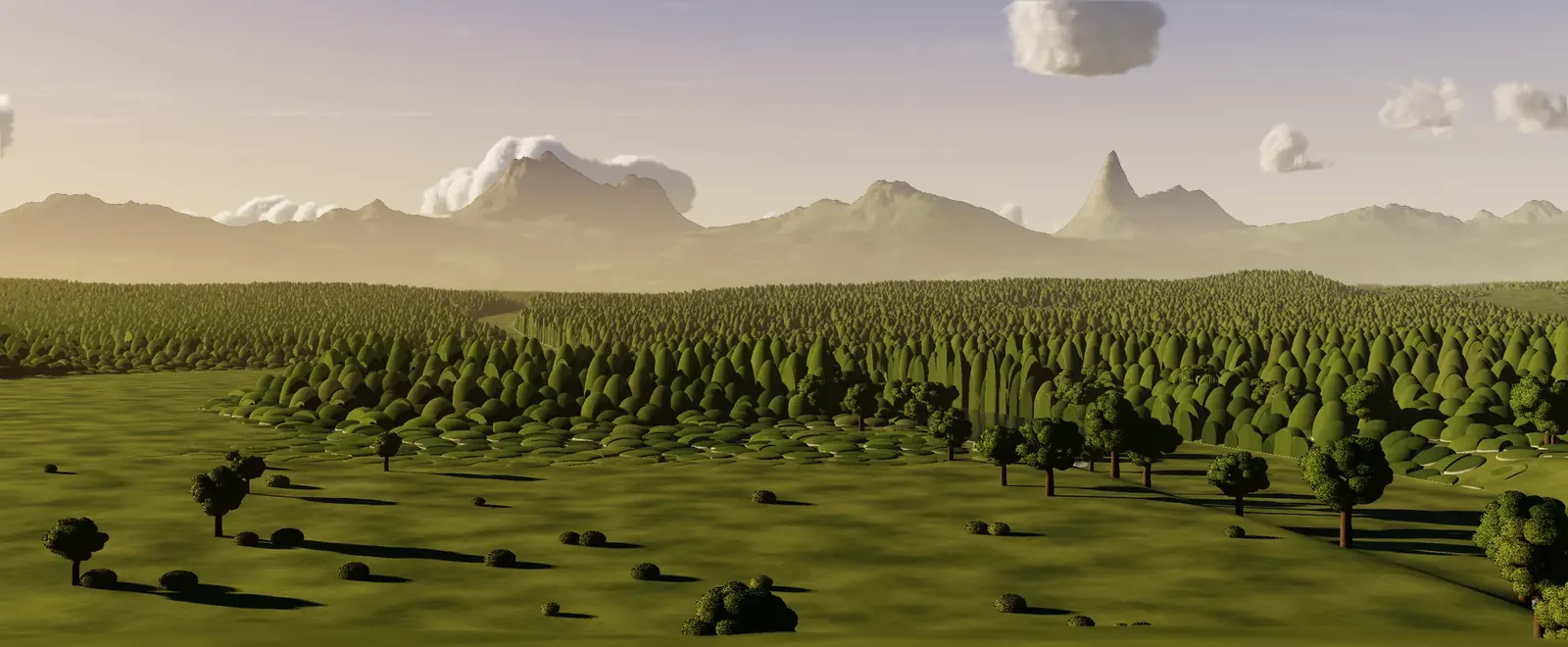

The Paleolithic, or Old Stone Age, is the longest period of human prehistory, beginning with the earliest known stone tools, which have been dated to about 3.3 million years ago at Lomekwi in Kenya. For almost all of that time human ancestors lived as small groups of hunter-gatherers who made tools by flaking stone. Important developments included the control of fire, the spread of Homo erectus out of Africa, and the appearance of Neanderthals and of our own species, Homo sapiens. In the Upper Paleolithic people made cave paintings, as at Lascaux and Chauvet, carved figurines, and created compound tools. The period lasted through the repeated ice ages of the Pleistocene and ended with the warming of the climate and the rise of farming.
Before and after
- about 56 million years agoPaleocene–Eocene Thermal Maximum
- about 34 million years agoAntarctica freezes over
- about 33.9 million years agoEocene–Oligocene extinction event
- about 7 million years agoSahelanthropus, one of the earliest hominins
- from about 3.3 million years ago to 15,000 years agoPaleolithic
- from about 3.3 million years ago to 302,000 years agoLower Paleolithic
- about 2.7 million years agoGreat American Interchange
- about 2.6 million years agoOldowan
- from about 1.76 million years ago to 150,000 years agoAcheulean
More in Evolution & life
- from about 315,000 years ago to 33,000 years agoMousterian
- from about 302,000 years ago to 32,000 years agoMiddle Paleolithic
- from c. 3,300 BCE to 600 BCEBronze Age
- from 3rd millennium BCE to 2nd millenniumMaya civilization
- from 13th century BCE to 6th centuryAncient Greece
- 24 November 1974Discovery of Lucy
The era
This moment belongs to the Cenozoic (66 million years ago to 300,000 years ago), the rise of mammals and the ice ages.