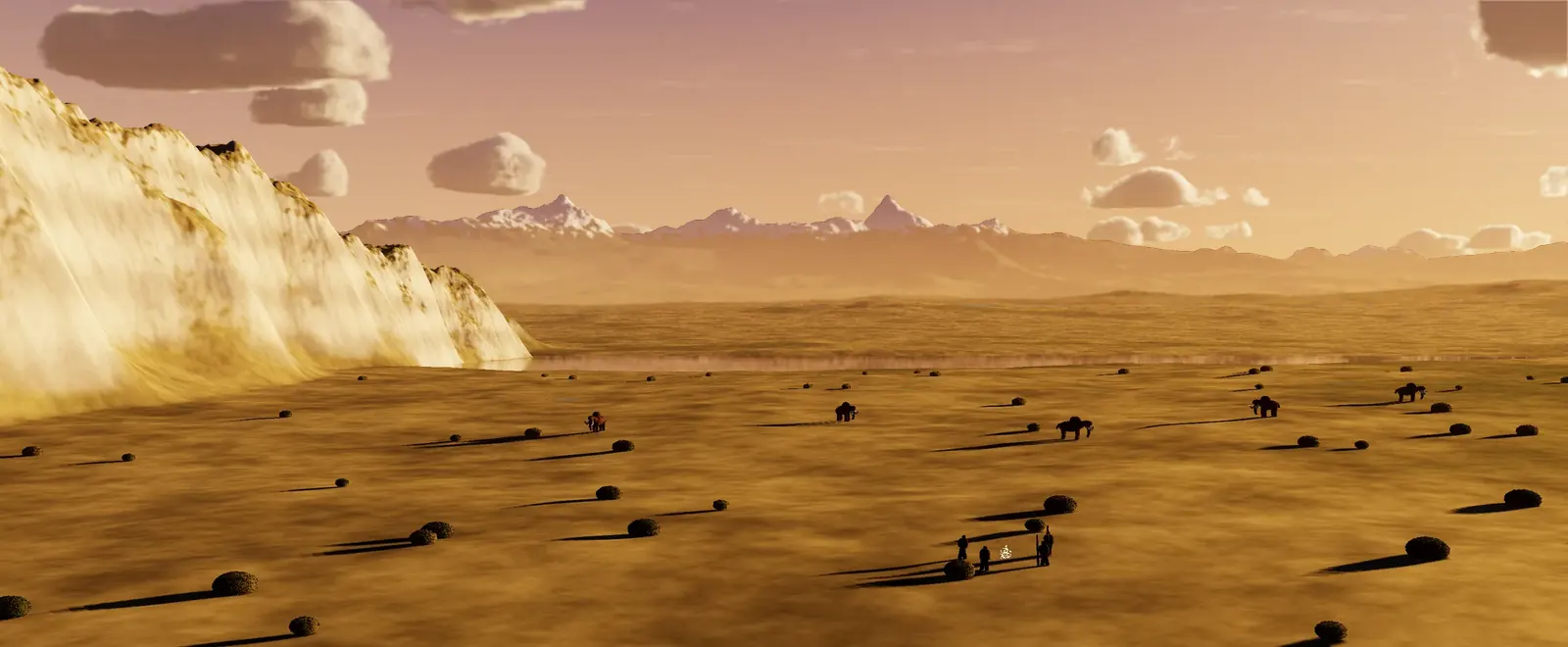

The Upper Paleolithic is the last phase of the Old Stone Age, in Europe and western Asia starting about 50,000 years ago and lasting until the end of the last Ice Age. It is the period when anatomically modern humans spread widely and replaced or absorbed the Neanderthals. People made sophisticated tools from stone, bone and antler, such as blades, needles and spear-throwers, and lived as hunter-gatherers in small groups. This era saw the first widespread appearance of art, including the cave paintings at Chauvet and Lascaux, carved Venus figurines and musical instruments such as bone flutes. Burials with grave goods suggest the growth of symbolic and religious thought.
Before and after
- from about 115,000 years ago to 10th millennium BCELast Glacial Period
- about 75,100 years agoSymbolic engraving at Blombos Cave
- about 51,300 years agoSulawesi cave art is made
- from about 50,000 years ago to 2nd millenniumPre-Columbian era
- from about 50,000 years ago to 9,726 years agoUpper Paleolithic
- about 41,000 years agoNeanderthals disappear from Europe
- from about 40,000 years ago to 31,000 years agoAurignacian
- about 36,100 years agoChauvet cave paintings are made
- about 30,100 years agoThe Venus of Willendorf is carved
More in Evolution & life
- about 23,100 years agoPeople are already in North America
- from about 15,000 years ago to 1st millennium BCEJōmon period
- about 12,000 years agoHolocene extinction
- c. 9,750s BCEQuaternary extinction event
- from 10th millennium BCE to 6th millennium BCEMesolithic
- from 56th century BCE to 20th century BCESumer
The era
This moment belongs to the Human prehistory (300,000 years ago to 3,200 BCE), the human story before writing.