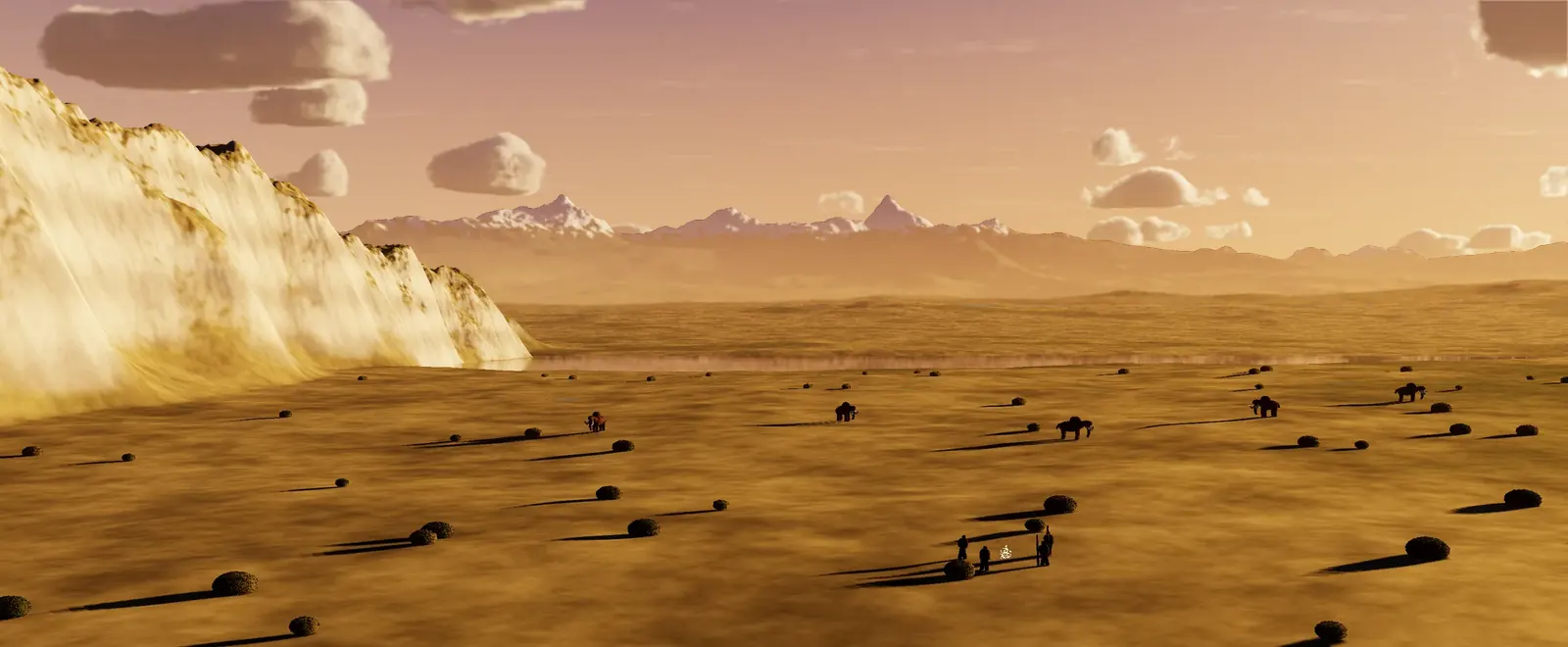

The Holocene extinction, sometimes called the sixth mass extinction, is the ongoing loss of species during the current geological epoch. Its start is usually linked to the extinction of many large mammals at the end of the last Ice Age, such as mammoths and giant ground sloths, which scientists attribute to a combination of climate change and hunting by people. The rate accelerated with the spread of agriculture, the arrival of humans on islands, European colonisation and, more recently, habitat destruction, pollution, invasive species and climate change. Extinction rates today are far higher than the normal background level, although the exact figures are debated. Conservation efforts aim to slow the losses.
Before and after
- from about 14,000 years ago to 9th millennium BCENatufian culture
- about 13,000 years agoThe megafauna of the Americas die out
- from about 13,000 years ago to 9,750s BCEYounger Dryas
- about 12,400 years agoEruption of Moekeshiwan [Lvinaya Past]
- about 12,000 years agoHolocene extinction
- from about 12,000 years ago to 7th millennium BCEConstruction of Göbekli Tepe
- c. 9,750s BCEQuaternary extinction event
- 10th millennium BCEThe Holocene begins
- c. 9,501 BCEBuilders raise the first monumental temple at Gobekli Tepe
More in Evolution & life
- from about 40,000 years ago to 31,000 years agoAurignacian
- from about 17,000 years ago to 12,000 years agoMagdalenian
- from c. 9,050s BCE to 8,850s BCEClovis culture
- from 55th century BCE to 27th century BCECucuteni–Trypillia culture
- from 36th century BCE to 18th century BCECaral–Supe civilization
- from c. 3,300 BCE to 2,600 BCEYamnaya culture
The era
This moment belongs to the Human prehistory (300,000 years ago to 3,200 BCE), the human story before writing.