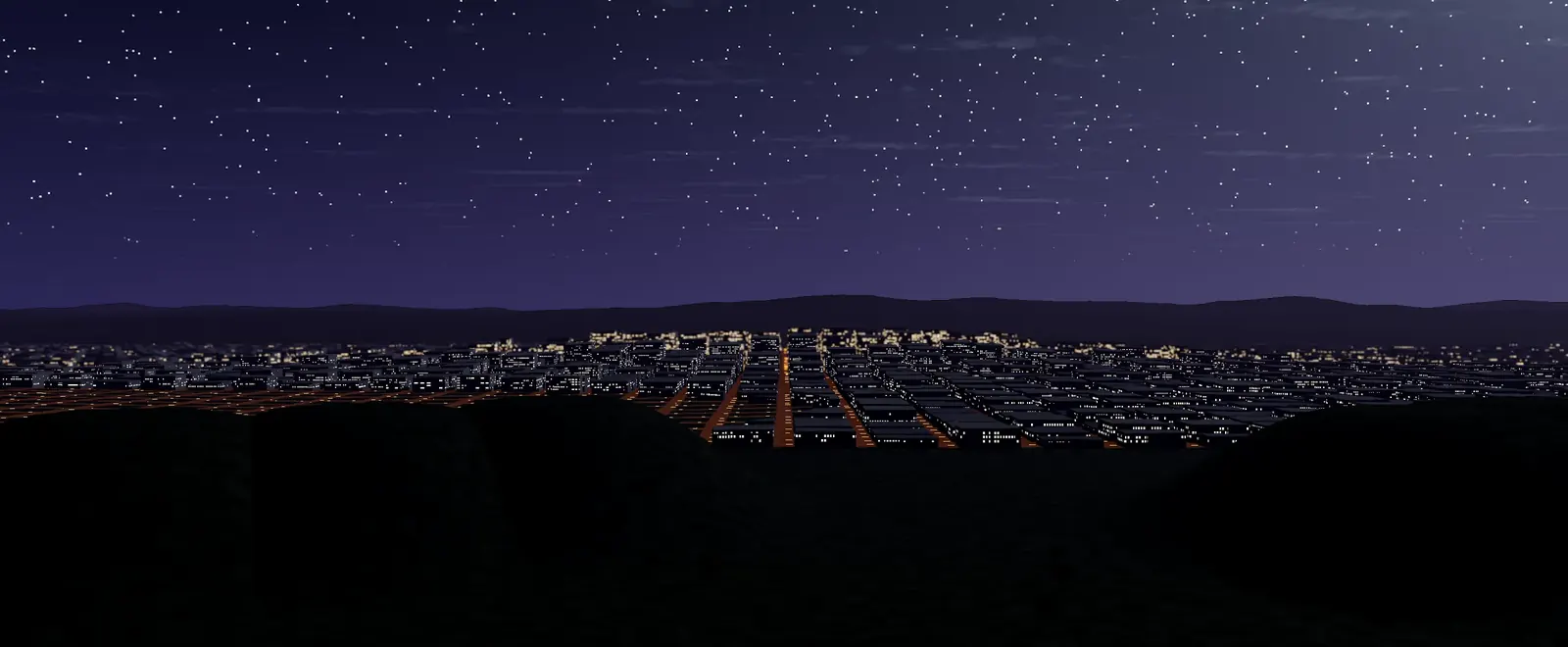

SN 2006gy was an extraordinarily luminous supernova that appeared in the galaxy NGC 1260, in the Perseus cluster, roughly 240 million light-years from Earth. When it was observed, it was the brightest supernova ever recorded, remaining visible for much longer than a typical explosion. Astronomers studied it with telescopes on the ground and with NASA's Chandra X-ray Observatory. One leading explanation is that it was a pair-instability supernova, the death of an enormously massive star in which the creation of electron-positron pairs in the core triggers a collapse and a runaway explosion. Other explanations involve violent interactions with material the star had earlier thrown off, and the interpretation is still debated.
Before and after
- 15 August 2006Release of Wikiversity
- 24 August 2006Pluto is reclassified as a dwarf planet
- 27 August 2006Release of Roblox
- 30 August 2006Death of Naguib Mahfouz
- 18 September 2006SN 2006gy
- from 25 September 2006 to 8 February 2010Premiere of Heroes
- 28 September 2006Construction of Suvarnabhumi Airport
- from 1 October 2006 to 22 September 2013Premiere of Dexter
- 4 October 2006Founding of WikiLeaks
More in Universe & space
- 22 June 1978Discovery of Charon
- 24 April 1990Launch of Hubble Space Telescope
- 1998Supernovae show that cosmic expansion is accelerating
- 20 November 1998Launch of International Space Station
- 10 April 2019The first image of a black hole
- 25 December 2021Launch of James Webb Space Telescope
The era
This moment belongs to the Contemporary world (1945 CE to today), the world since 1945. You can also browse everything in the 21st century.