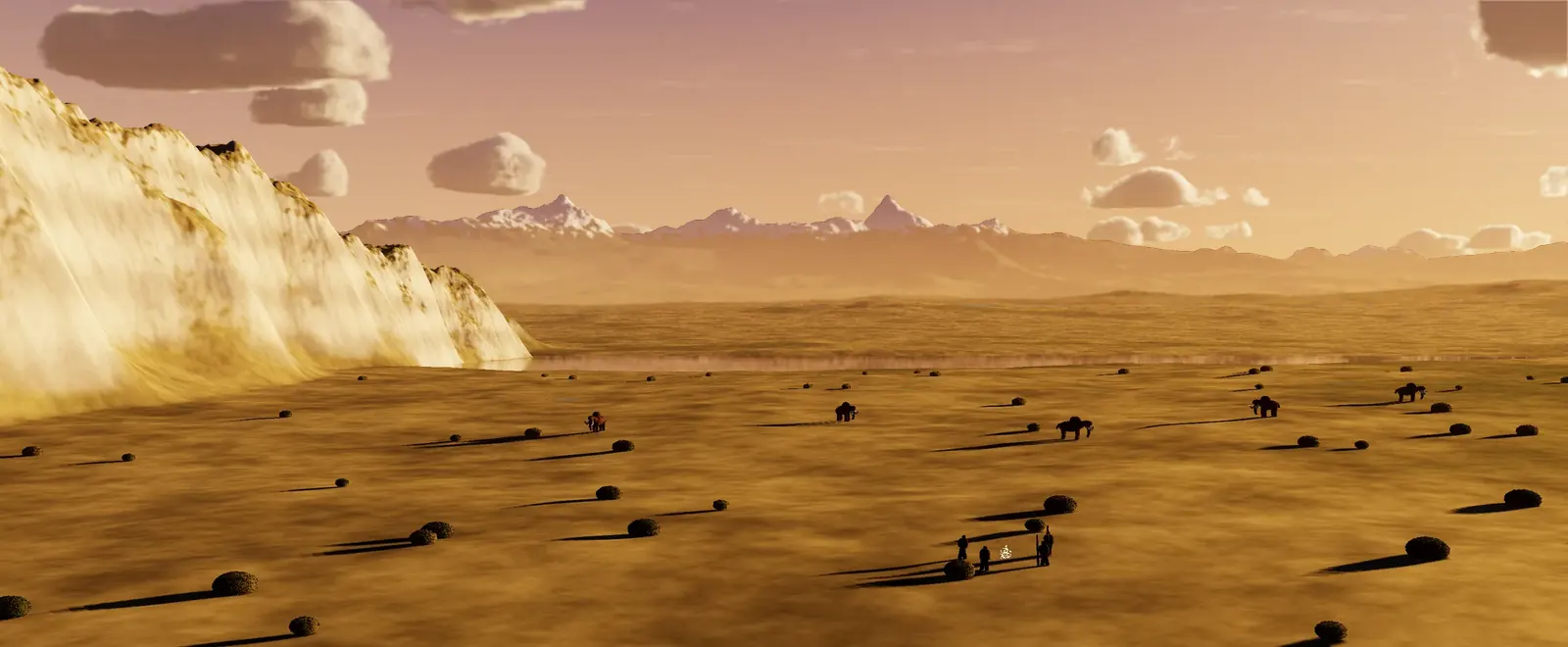

The Cucuteni–Trypillia culture was a farming society of late Neolithic and Copper Age Europe, centered on the lands between the Carpathians and the Dnieper in what is now Romania, Moldova and Ukraine. It is known as Cucuteni in Romania and as Trypillia in Ukraine, after the villages where its remains were first identified in the late nineteenth century. The people made elaborate painted pottery and clay figurines, and in later phases built very large settlements, with several thousand inhabitants in some cases, among the biggest in the world at the time. Houses were often burned deliberately at the end of their life, for reasons still debated. The culture declined in the fourth and third millennia BCE, probably because of climate change, soil exhaustion and pressure from steppe peoples.
Before and after
- c. 5,550 BCEEruption of Tao-Rusyr Caldera
- c. 5,550 BCEEruption of Mashu
- from 56th century BCE to 35th century BCEUbaid period
- from 56th century BCE to 20th century BCESumer
- from 55th century BCE to 27th century BCECucuteni–Trypillia culture
- from 55th century BCE to 45th century BCEVinča culture
- 6th millennium BCEDiscovery of silver
- 6th millennium BCEOrigins of Indian religions
- 6th millennium BCEDiscovery of iron
More in Evolution & life
- from about 50,000 years ago to 2nd millenniumPre-Columbian era
- from about 50,000 years ago to 9,726 years agoUpper Paleolithic
- from about 15,000 years ago to 1st millennium BCEJōmon period
- about 12,000 years agoHolocene extinction
- from 10th millennium BCE to 6th millennium BCEMesolithic
- from c. 3,300 BCE to 600 BCEBronze Age
The era
This moment belongs to the Human prehistory (300,000 years ago to 3,200 BCE), the human story before writing.