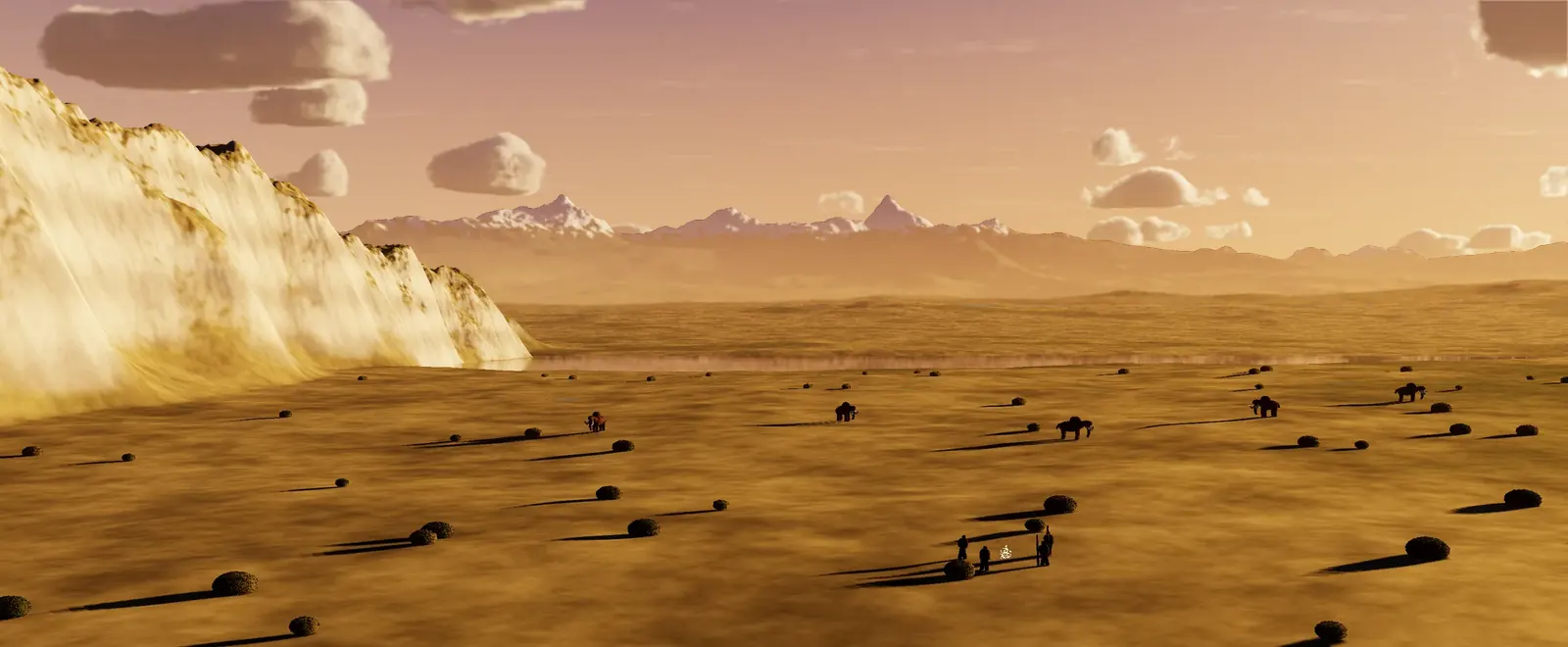

The earliest known iron objects, such as small beads, were made from meteorites, whose metal is naturally iron mixed with nickel and fell from the sky ready to be hammered. Such pieces, found in the Near East and Egypt, were rare and treasured as ornaments rather than as everyday tools. Smelting iron from ordinary ore is much harder than smelting copper, because it needs higher temperatures and a lengthy process of forging, and it was mastered only in the second millennium BCE, probably in Anatolia and the surrounding regions. From about 1200 BCE iron spread widely across the Mediterranean and Asia, and the period is called the Iron Age. Because ore is common and cheap, iron eventually replaced bronze for tools and weapons, and in the form of steel it underpins modern industry.
Before and after
- from 55th century BCE to 27th century BCECucuteni–Trypillia culture
- from 55th century BCE to 45th century BCEVinča culture
- 6th millennium BCEDiscovery of silver
- 6th millennium BCEOrigins of Indian religions
- 6th millennium BCEDiscovery of iron
- c. 5,001 BCECopper is smelted in the Balkans
- c. 4,750 BCEEruption of Hudson, Cerro
- c. 4,360 BCEEruption of Macauley
- c. 4,350 BCEEruption of Kikai
More in Science & technology
- 8th millennium BCEDiscovery of copper
- 7th millennium BCEDiscovery of gold
- 1766Discovery of hydrogen
- 1771Discovery of oxygen
- 1789Discovery of carbon
- 18 August 1868Discovery of helium
The era
This moment belongs to the Human prehistory (300,000 years ago to 3,200 BCE), the human story before writing.