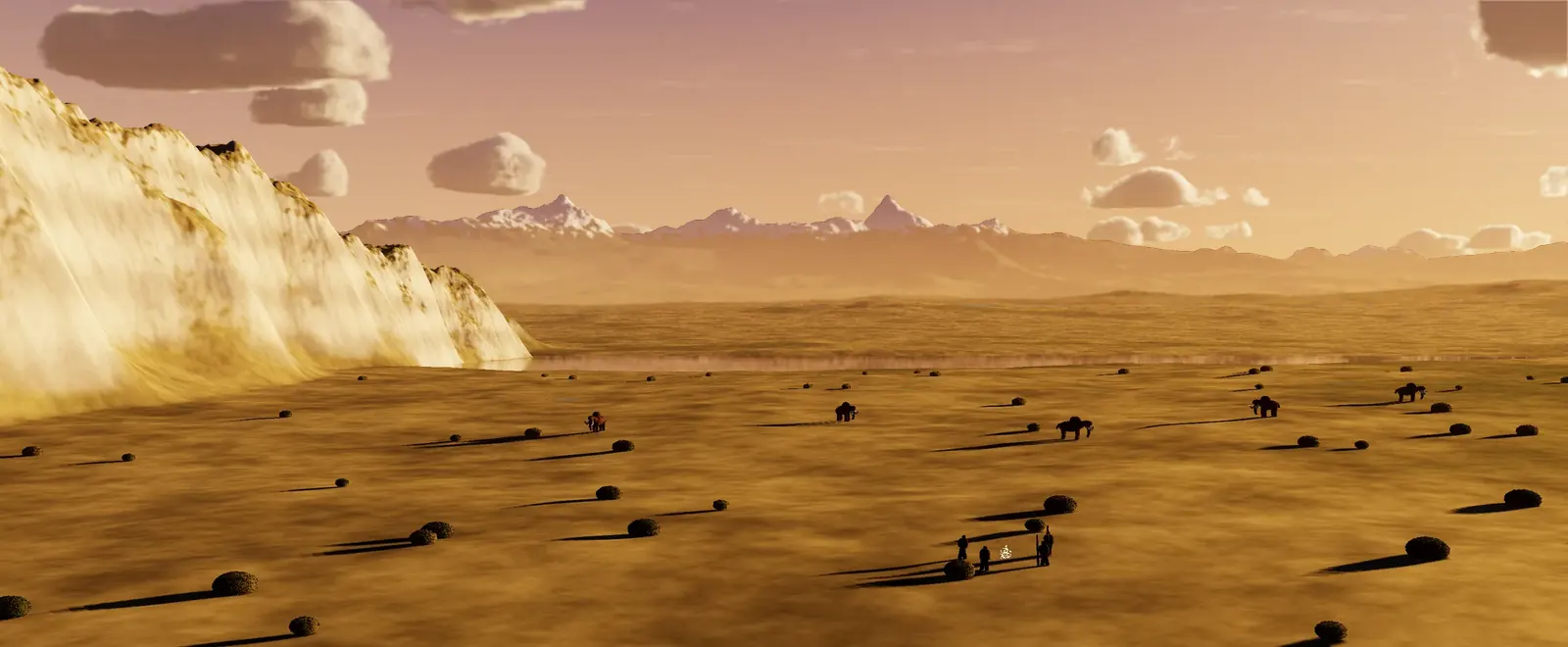

The Caral–Supe civilization, also called the Norte Chico civilization, was a complex society on the arid coast of north-central Peru, in the valleys of the Supe, Pativilca and Fortaleza rivers. Its largest center, Caral, had monumental pyramids, sunken circular plazas and residential areas, and is regarded as the oldest known city in the Americas. The people lived by fishing and irrigated agriculture, growing cotton, which was used for nets and textiles, and the evidence suggests that they had little or no pottery and few signs of warfare. Whether the civilization had writing is uncertain, though knotted cords have been found that may resemble the later Inca quipu. Its decline is linked to climate change.
Before and after
- c. 3,600 BCEConstruction of Ġgantija
- from c. 3,600 BCE to 2,500 BCEOrigins of Megalithic Temples of Malta
- c. 3,580 BCEEruption of Taal
- c. 3,550 BCEEruption of Pinatubo
- from 36th century BCE to 18th century BCECaral–Supe civilization
- c. 3,501 BCEPeople first tame horses on the steppe
- from c. 3,500 BCE to 2,500 BCEOrigins of Brú na Bóinne
- from c. 3,500 BCE to 2,500 BCEAfanasevo culture
- 34th century BCEWriting is invented in Mesopotamia
More in Evolution & life
- from about 50,000 years ago to 9,726 years agoUpper Paleolithic
- about 41,000 years agoNeanderthals disappear from Europe
- about 23,100 years agoPeople are already in North America
- about 15,100 years agoDogs are domesticated
- about 13,000 years agoThe megafauna of the Americas die out
- c. 9,750s BCEQuaternary extinction event
The era
This moment belongs to the Human prehistory (300,000 years ago to 3,200 BCE), the human story before writing.