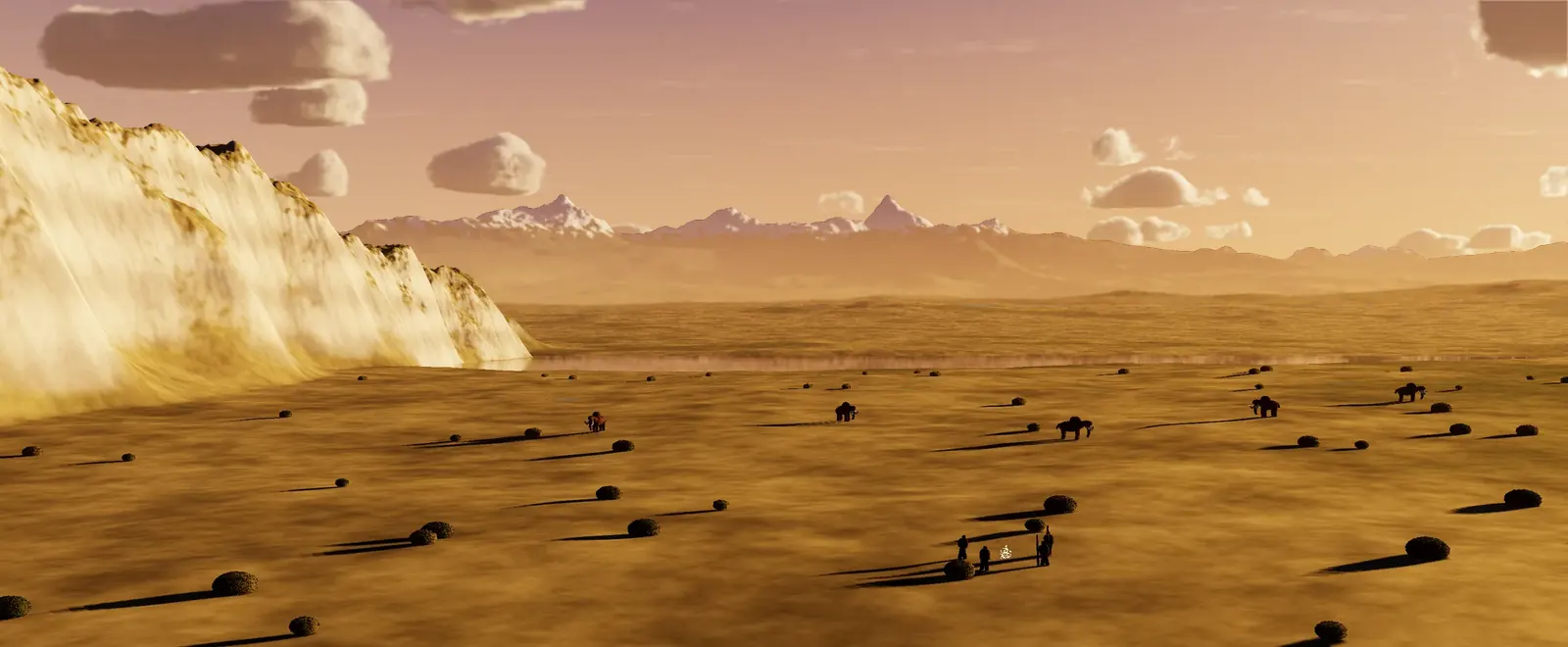

Crater Lake erupted around 5,900 BCE with a Volcanic Explosivity Index (VEI) of 6, a colossal eruption that threw tens of cubic kilometres of ash and rock into the air. Eruptions of this size inject sulphur into the stratosphere and can cool the global climate for a year or more. The VEI is a logarithmic scale: each step means roughly ten times more erupted material. It took place around 5,900 BCE.
Before and after
- c. 6,050 BCEEruption of Menengai
- from 7th millennium BCE to 2nd millennium BCEUgarit
- 7th millennium BCEDiscovery of gold
- 61st century BCEThe earliest known wine is made in Georgia
- c. 5,900 BCEEruption of Crater Lake
- c. 5,700 BCEEruption of Khangar
- c. 5,680 BCEEruption of Crater Lake
- from c. 5,600s BCE to 4,900s BCELinear Pottery culture
- c. 5,550 BCEEruption of Tao-Rusyr Caldera
More in Earth & climate
- about 12,400 years agoEruption of Moekeshiwan [Lvinaya Past]
- c. 8,750 BCEEruption of Ulleungdo
- c. 7,420 BCEEruption of Fisher
- c. 6,600 BCEEruption of Karymsky
- c. 6,300 BCEEruption of Aniakchak
- c. 5,550 BCEEruption of Mashu
The era
This moment belongs to the Human prehistory (300,000 years ago to 3,200 BCE), the human story before writing.